
NEWS
EU Launches €10.5 Billion Satellite Strategy to Reduce Dependence on External Networks, Strengthen Digital Sovereignty, Boost Secure Communications, and Intensify Global Competition in the Expanding Space and Technology Race Worldwide

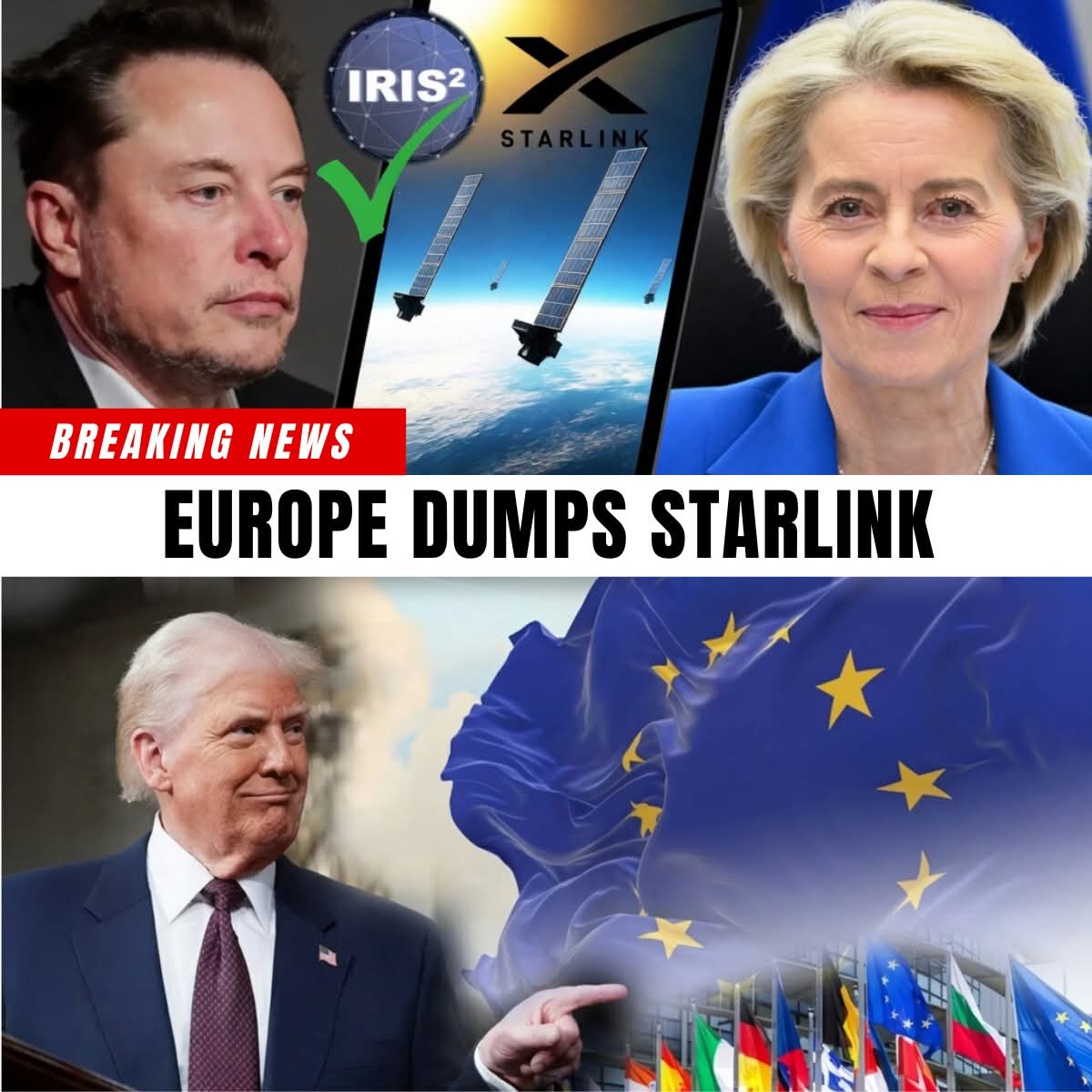
European Union Accelerates €10.5 Billion Satellite Push to Reduce Dependence on External Networks
The European Union is intensifying efforts to strengthen its independent space and communications infrastructure through a major €10.5 billion satellite investment initiative aimed at enhancing digital sovereignty, secure connectivity, and long-term technological resilience.
The move has sparked widespread discussion online, with some headlines portraying the development as “Starlink OUT” or a direct challenge to Elon Musk’s SpaceX. However, analysts emphasize that the reality is far more strategic and measured.
No formal ban on Starlink has been announced, and Europe is not abandoning existing partnerships overnight. Instead, EU officials are focused on diversification — ensuring that critical communications systems are not overly dependent on foreign-controlled platforms.
At the center of the initiative is Europe’s growing belief that satellite networks are no longer simply commercial internet services. Increasingly, they are viewed as strategic infrastructure tied to national security, emergency communications, military coordination, cybersecurity, and economic stability.
European leaders have repeatedly stressed the importance of “digital sovereignty,” a concept that has gained momentum in recent years as geopolitical tensions, cyber threats, and technological competition continue to reshape global priorities. By investing heavily in homegrown satellite capabilities, the EU hopes to secure greater control over its own communications ecosystem while strengthening resilience during crises.
The project also reflects Europe’s broader push for technological autonomy across sectors such as artificial intelligence, semiconductor production, defense technology, and cloud computing. Officials argue that relying too heavily on external systems could expose nations to vulnerabilities during political or economic disputes.
Despite the strong messaging around independence, experts note that Europe’s strategy does not necessarily signal hostility toward SpaceX or Starlink.
Starlink remains one of the world’s most advanced and widely deployed satellite internet systems, playing a major role in global connectivity and emergency communications. Instead, the EU’s investment is seen as an effort to ensure competition, balance, and self-reliance in a rapidly evolving technological landscape.
Industry observers believe the initiative could significantly reshape the global satellite communications market over the next decade. Increased European investment may drive innovation, create new defense-tech partnerships, and intensify competition among major space powers including the United States and China.
The development highlights a larger shift taking place worldwide: space infrastructure is increasingly becoming a key element of geopolitical influence. Control over satellite systems now affects everything from internet access and navigation to defense operations and disaster response.
As Europe moves forward with its long-term satellite strategy, the global communications race is entering a new phase — one where technological leadership and national sovereignty are becoming deeply interconnected.

Trump’s World Cup Backfire? As 4 Million Visitors Disappear and Canadian Travel Slumps, Questions Grow Over Whether Politics, Border Policies, and Reputation Could Undermine America’s 2026 Tournament Boom

Harry and Meghan’s Exit Story Faces Fresh Scrutiny as Claims of Last-Minute Palace Appeals Emerge, Raising Questions About Whether Their Royal Departure Was Truly Entirely Their Own Choice

South Park Rumors Ignite Online Frenzy as Fans Speculate Over Possible New Meghan Markle and Prince Harry Satire, Sparking Debate About Comedy, Celebrity Scrutiny, and the Sussexes’ Public Image

Prince Harry Reportedly Blames Prince William for Wedding Snub as Royal Rift Deepens, Sparking Debate Over Family Loyalty, Influence, and Whether Exclusion Was Protection or a Deliberate Power Move

Canada Eyes 140 Fighter Jets in Historic Defence Expansion That Could Transform the Nation’s Aerospace Industry and Create Thousands of High-Skilled Jobs

Diana’s Legacy at the Center of Reported Rift as Earl Spencer Blocks Harry’s Access to Private Archives, Raising Questions About Who Has the Right to Tell Her Story

Meghan Markle’s Reported Push for a Royal Title for Doria Ragland Sparks Questions Over Tradition, Influence, Timing, and Whether Family Recognition Has Become a High-Stakes Royal Negotiation

🚨☢️ Europe’s Quiet Nuclear Revolution Gains Momentum as France Expands Its Strategic Shield, Raising Questions About NATO’s Future, America’s Influence, and the Continent’s Pursuit of Greater Security Independence 🇪🇺

King Charles’ health battle has renewed hopes for reconciliation with Prince Harry. Reports suggest behind-the-scenes obstacles remain, but many believe time is running short for father and son to heal their relationship.

Europe Rushes to Secure Canadian Aluminum as Global Supply Chains Shift, Raising Questions About Whether U.S. Tariffs Are Strengthening Domestic Industry or Accelerating Canada’s Growing Strategic Trade Advantage Abroad.

🚨 Political Firestorm Erupts as Lawmakers Demand Trump Step Down or Face Impeachment Pressure, Igniting National Debate Over Accountability, Constitutional Authority, Future Elections, and the Direction of American Democracy 🇺🇸⚡
