
NEWS
🚨Norway’s “Forgotten” Gas Field Rescues Europe From Energy Chaos as Middle East War Sends Oil Prices Soaring, Exposes America’s Economic Vulnerability, and Shifts Global Power Toward Strategic Energy Independence ⚡🌍

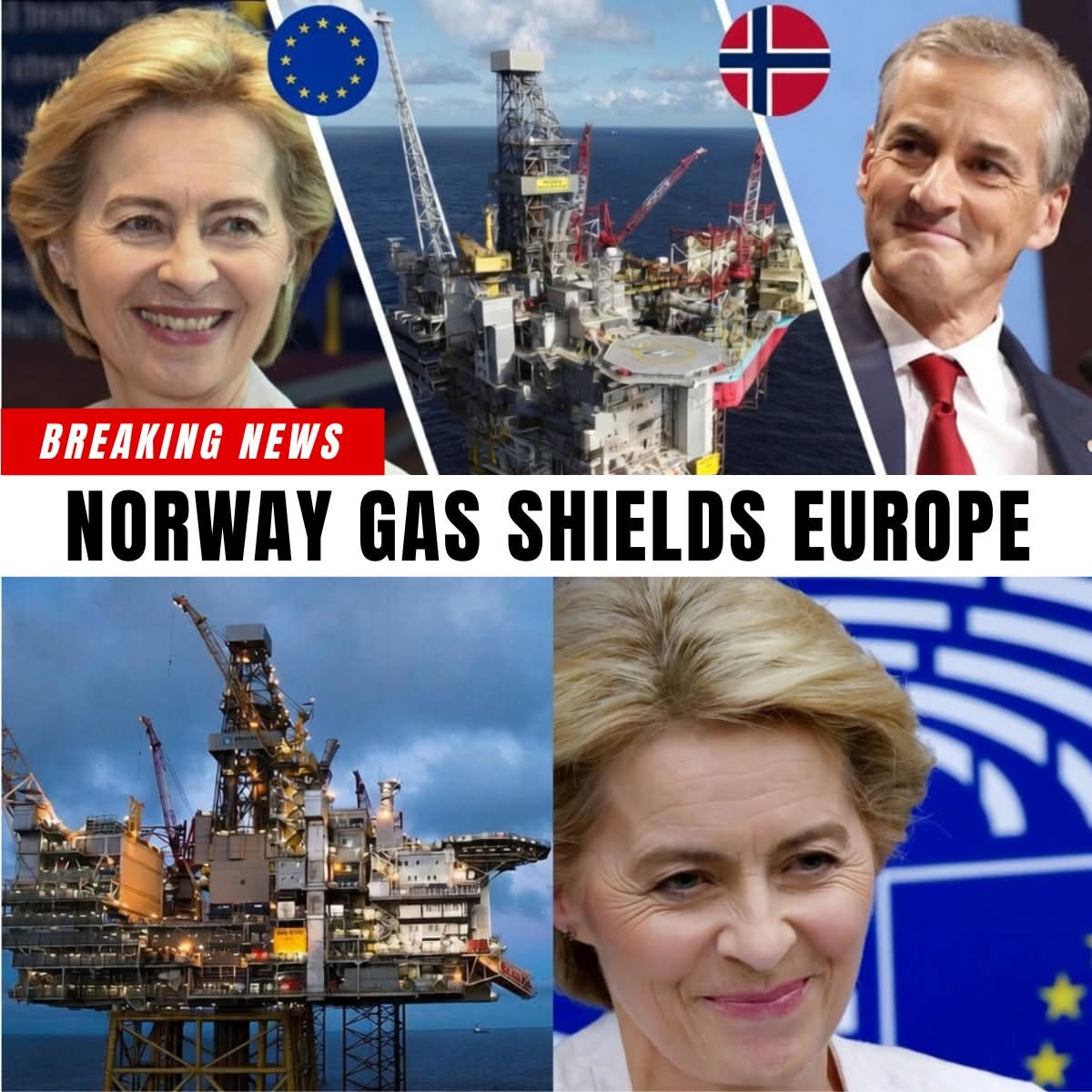
Norway’s “Forgotten” Gas Field May Have Just Saved Europe From an Energy Shock
As conflict in the Middle East sends oil markets into panic and fuels fears of another global economic slowdown, Europe has quietly secured a major strategic victory that could reshape the balance of global power.
Far from the headlines dominating television screens, Norway has accelerated production from a once-overlooked gas field in the North Sea, helping stabilize Europe’s energy supply at a moment when the world is bracing for soaring fuel prices and economic uncertainty.
The development comes at a critical time. Escalating tensions across the Middle East have triggered fears of disruptions to vital shipping routes and oil infrastructure, pushing global crude prices sharply higher.
In the United States, rising fuel costs are intensifying concerns over inflation, consumer spending, and the possibility of recession. Industries heavily dependent on energy — including transportation and aviation — are already feeling the pressure.
But Europe’s situation appears far different from the energy panic many predicted only a few years ago.
After the 2022 energy crisis exposed the continent’s dangerous dependence on Russian gas, European governments moved aggressively to diversify supply sources, expand LNG infrastructure, invest in renewable energy, and strengthen regional energy cooperation. Norway quickly emerged as one of the most important pillars of that strategy.
Now, one previously underestimated gas project has become a symbol of Europe’s long-term planning.
The field, once considered too costly or strategically insignificant to fully develop, was rapidly brought online through accelerated investment and infrastructure coordination.
Analysts say the additional gas supply is helping Europe avoid the worst-case scenarios of shortages, industrial shutdowns, and uncontrolled price spikes that many feared could follow another global energy shock.
The impact extends beyond energy markets.
By securing more stable supply lines, Europe has reduced its vulnerability to geopolitical turmoil and gained greater leverage in a world increasingly shaped by economic resilience rather than military force alone. Some experts argue the continent’s response represents a broader lesson in strategic planning: nations that prepare for disruption before crises erupt are often better positioned than those reacting after the damage is done.
Meanwhile, the United States faces growing economic pressure as higher oil prices threaten to increase transportation costs, strain household budgets, and reignite inflation concerns. Market volatility and uncertainty in key industries have only added to fears that prolonged instability abroad could create serious domestic consequences.
Norway’s growing role in European energy security is also reshaping geopolitical influence within Europe itself. The country has become one of the continent’s most reliable energy suppliers, strengthening partnerships with EU nations while reinforcing Europe’s broader push toward independence from unstable external suppliers.
Still, analysts warn that Europe’s energy challenge is far from over. Natural gas prices remain vulnerable to global disruptions, and long-term energy security will depend on continued investment in renewables, storage technology, and diversified supply networks.
But for now, Europe appears far more prepared than many expected.
At a time when global instability is testing economies around the world, Norway’s “forgotten” gas field has become more than an energy project — it has become a powerful example of how preparation, infrastructure, and strategic patience can influence the future of global power.

Kylie Kelce Reveals a Pregnancy During Live Episode of ‘Not Gonna Lie’ Podcast: ‘I Had No Idea’

“I Officially Resign As A Swiftie”: The Internet Is Dragginggggg Taylor Swift Over This “Icky” Comment She Made While Introducing The Grammy Nominees For Album And Song Of The Year

Taylor Swift made a grand return to the CMAs red carpet, marking the first time she’s attended the award show in a decade. For the occasion, the singer opted for a sunny yellow Oscar de la Renta gown with a flirty high-low hem.

Taylor Swift has urged her husband, Travis Kelce, to stop playing American football following his recent injuries during a match against Kansas City. She expressed her concern over his suffering and stated that she can no longer bear it. Additionally, she mentioned that she is pregnant and does not want a man with disabilities to father their child.

Travis Kelce made one significant catch in the first quarter before briefly leaving the game with an ankle injury.

🚨💔 JUST IN: Taylor Swift and Mama Kelce LEFT IN TEARS as Travis Kelce Suffers a Terrifying Ankle Injury During Chiefs vs. Falcons! Their Emotional Reactions Have Fans HEARTBROKEN — What Happened Next Has Everyone Holding Their Breath! 😱

Prince William and Prince George Join Taylor Swift at Mercedes-Benz Stadium in Atlanta to Cheer on Travis Kelce as the Chiefs Face the Falcons, and Their Unexpected VIP Suite Moment Has Everyone Talking!

Family Support on Display as Donna Kelce and Andrea Swift Pose Together With Chiefs Families at Mercedes-Benz Stadium

Donna Kelce and Taylor Swift’s Mom Andrea Swift Touch Down in Atlanta as Taylor Swift’s Mom Joins Travis Kelce’s Biggest Supporter Ahead of Chiefs’ Highly Anticipated Showdown Against the Falcons at Mercedes-Benz Stadium

Taylor Swift and Travis Kelce were not together last night. She was out alone while he was somewhere else. The relationship is starting to look fake. What do you think is going on? 💔

Fans Notice What Appears to Be a Baby Bump on Taylor Swift During a Low-Key Gym Outing With Travis Kelce — and One Sentimental Detail on His Hand Has Everyone Talking
