
NEWS
Canada is expanding ties with Europe through defense, technology, and critical minerals partnerships. The strategy aims to diversify economic relationships, strengthen resilience, and reduce dependence on any single international partner.

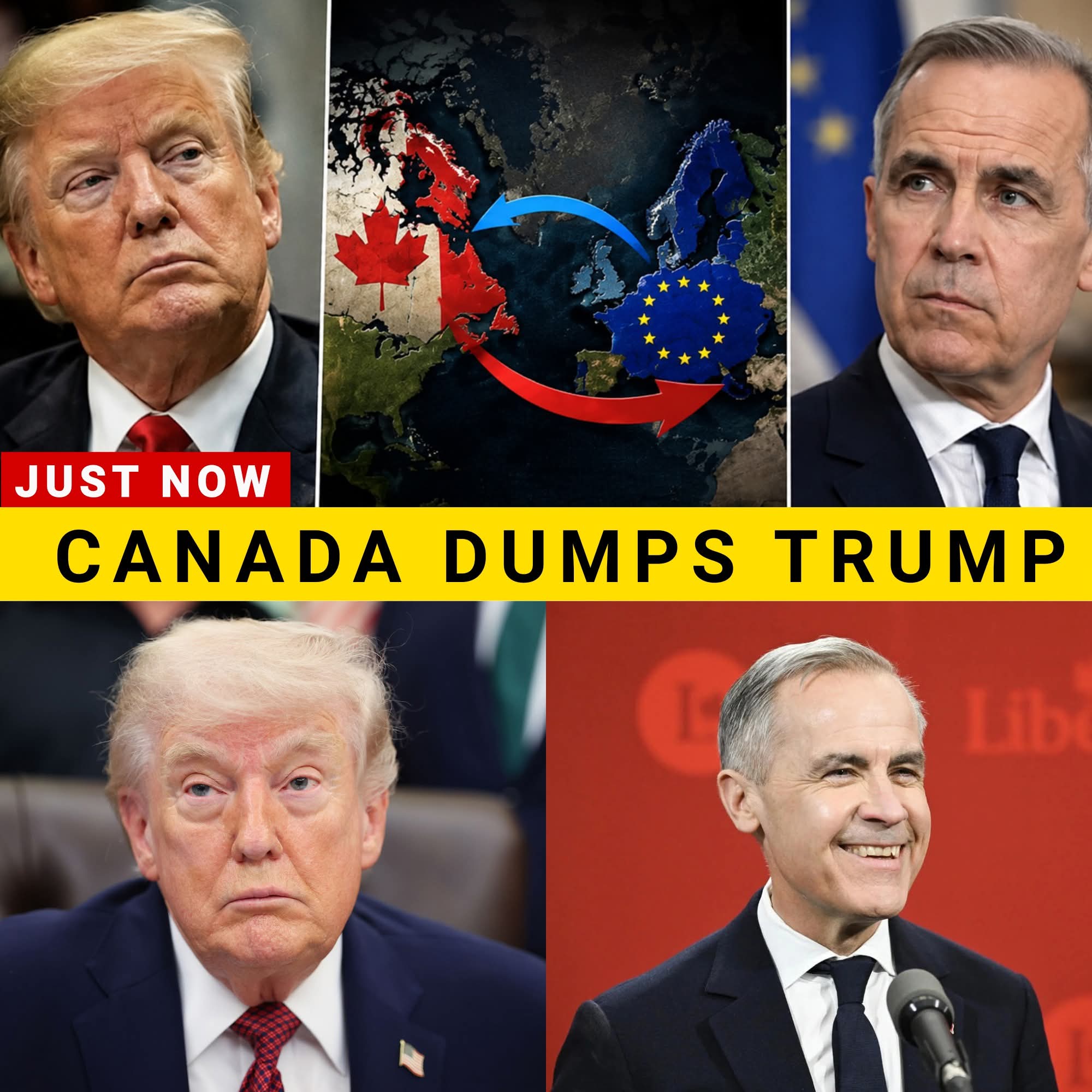
Canada Deepens European Ties as Strategic Priorities Evolve
Canada is strengthening its relationship with Europe in a move that reflects changing economic and geopolitical realities. Under Prime Minister Mark Carney, Ottawa is exploring new partnerships in defense manufacturing, critical minerals, artificial intelligence, clean energy, and supply-chain resilience, signaling a broader effort to diversify international cooperation.
The shift comes at a time when global trade tensions, supply-chain disruptions, and increasing competition among major powers are prompting countries to reassess their strategic dependencies. For Canada, expanding ties with Europe offers access to a market of more than 450 million consumers while creating opportunities for collaboration in emerging industries and advanced technologies.
European nations, meanwhile, view Canada as a reliable partner with abundant natural resources, including critical minerals essential for batteries, renewable energy systems, and high-tech manufacturing. Cooperation in these sectors could strengthen economic security on both sides of the Atlantic.
Analysts note that Canada is not abandoning its long-standing relationship with the United States, which remains its largest trading partner and closest ally. Instead, the current strategy appears focused on diversification—building additional partnerships that can help reduce vulnerability to political, economic, or supply-chain disruptions.
The growing Canada-Europe relationship also reflects broader global trends. As nations seek greater resilience and flexibility, alliances are increasingly being shaped not only by geography but by shared economic interests, technological cooperation, and long-term strategic goals.
Whether this development becomes a defining shift in Canadian foreign policy remains to be seen. However, it highlights how governments are adapting to a rapidly changing international landscape, where economic security and strategic autonomy have become central priorities.

Trump’s World Cup Backfire? As 4 Million Visitors Disappear and Canadian Travel Slumps, Questions Grow Over Whether Politics, Border Policies, and Reputation Could Undermine America’s 2026 Tournament Boom

Harry and Meghan’s Exit Story Faces Fresh Scrutiny as Claims of Last-Minute Palace Appeals Emerge, Raising Questions About Whether Their Royal Departure Was Truly Entirely Their Own Choice

South Park Rumors Ignite Online Frenzy as Fans Speculate Over Possible New Meghan Markle and Prince Harry Satire, Sparking Debate About Comedy, Celebrity Scrutiny, and the Sussexes’ Public Image

Prince Harry Reportedly Blames Prince William for Wedding Snub as Royal Rift Deepens, Sparking Debate Over Family Loyalty, Influence, and Whether Exclusion Was Protection or a Deliberate Power Move

Canada Eyes 140 Fighter Jets in Historic Defence Expansion That Could Transform the Nation’s Aerospace Industry and Create Thousands of High-Skilled Jobs

Diana’s Legacy at the Center of Reported Rift as Earl Spencer Blocks Harry’s Access to Private Archives, Raising Questions About Who Has the Right to Tell Her Story

Meghan Markle’s Reported Push for a Royal Title for Doria Ragland Sparks Questions Over Tradition, Influence, Timing, and Whether Family Recognition Has Become a High-Stakes Royal Negotiation

🚨☢️ Europe’s Quiet Nuclear Revolution Gains Momentum as France Expands Its Strategic Shield, Raising Questions About NATO’s Future, America’s Influence, and the Continent’s Pursuit of Greater Security Independence 🇪🇺

King Charles’ health battle has renewed hopes for reconciliation with Prince Harry. Reports suggest behind-the-scenes obstacles remain, but many believe time is running short for father and son to heal their relationship.

Europe Rushes to Secure Canadian Aluminum as Global Supply Chains Shift, Raising Questions About Whether U.S. Tariffs Are Strengthening Domestic Industry or Accelerating Canada’s Growing Strategic Trade Advantage Abroad.

🚨 Political Firestorm Erupts as Lawmakers Demand Trump Step Down or Face Impeachment Pressure, Igniting National Debate Over Accountability, Constitutional Authority, Future Elections, and the Direction of American Democracy 🇺🇸⚡
