
NEWS
Canada Eyes 140 Fighter Jets in Historic Defence Expansion That Could Transform the Nation’s Aerospace Industry and Create Thousands of High-Skilled Jobs

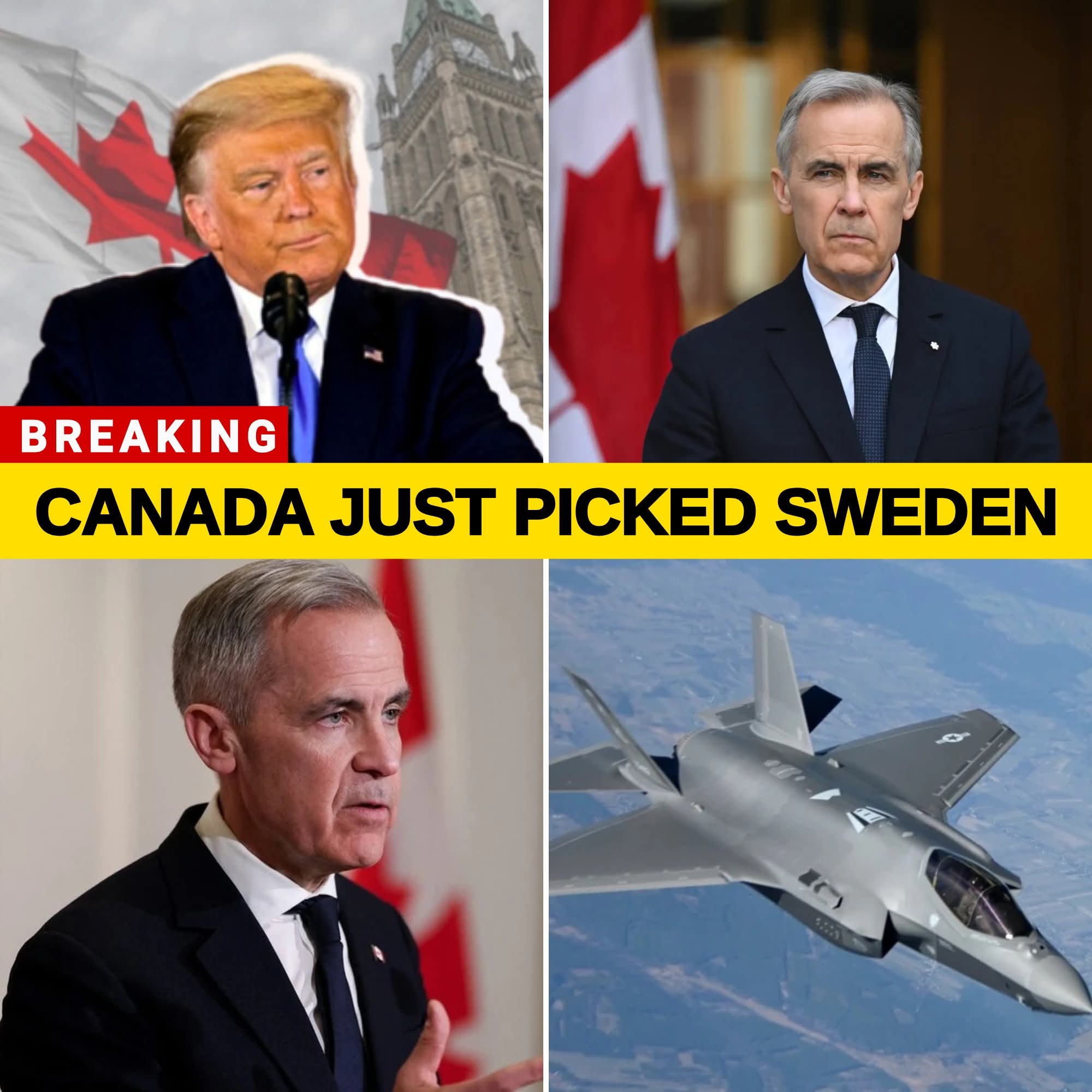
Canada’s Biggest Defence Decision in 40 Years Could Reshape Its Aerospace Future
Canada is reportedly examining a major expansion of its future fighter aircraft fleet, with discussions centered on acquiring up to 140 aircraft through a combination of American-made F-35 stealth fighters and Swedish Gripen E jets. If pursued, the plan would represent one of the most significant defence investments in Canadian history and could have far-reaching implications beyond national security.
At the heart of the debate is not only military capability but also economic opportunity. The F-35, developed by Lockheed Martin, is widely regarded as one of the world’s most advanced fighter aircraft, offering cutting-edge stealth technology and strong interoperability with NATO allies. Supporters argue that these capabilities are increasingly important as global security challenges continue to evolve.
However, Saab’s Gripen E proposal has gained attention for a different reason. The Swedish company has reportedly offered to assemble aircraft in Montreal and provide substantial technology transfer and industrial participation. Such an arrangement could create thousands of skilled jobs, strengthen Canada’s aerospace sector, and provide greater domestic control over maintenance and logistics.
The discussion comes amid broader efforts by Ottawa to enhance Canada’s industrial capabilities and reduce dependence on foreign supply chains. Interest in Saab’s GlobalEye airborne surveillance platform has further fueled speculation that Canada may be considering a more diversified approach to defence procurement.
Advocates of the Gripen highlight its lower operating costs, flexibility, and potential benefits for Canadian manufacturing. They argue that domestic assembly and long-term support contracts could generate economic value for decades while strengthening Canada’s position within the global aerospace industry.
Meanwhile, supporters of the F-35 maintain that advanced combat performance and integration with allied forces should remain the top priority. They contend that the aircraft’s proven capabilities and widespread adoption among NATO partners make it the most effective choice for Canada’s future defence needs.
As policymakers weigh their options, the decision is shaping up to be about far more than fighter jets. It is a choice that could influence Canada’s defence posture, industrial strategy, and aerospace sector for generations.
Whether Canada ultimately selects the F-35, the Gripen E, or a combination of both, the outcome may become one of the defining defence and economic decisions of the coming decades.

Trump’s World Cup Backfire? As 4 Million Visitors Disappear and Canadian Travel Slumps, Questions Grow Over Whether Politics, Border Policies, and Reputation Could Undermine America’s 2026 Tournament Boom

Harry and Meghan’s Exit Story Faces Fresh Scrutiny as Claims of Last-Minute Palace Appeals Emerge, Raising Questions About Whether Their Royal Departure Was Truly Entirely Their Own Choice

South Park Rumors Ignite Online Frenzy as Fans Speculate Over Possible New Meghan Markle and Prince Harry Satire, Sparking Debate About Comedy, Celebrity Scrutiny, and the Sussexes’ Public Image

Prince Harry Reportedly Blames Prince William for Wedding Snub as Royal Rift Deepens, Sparking Debate Over Family Loyalty, Influence, and Whether Exclusion Was Protection or a Deliberate Power Move

Canada Eyes 140 Fighter Jets in Historic Defence Expansion That Could Transform the Nation’s Aerospace Industry and Create Thousands of High-Skilled Jobs

Diana’s Legacy at the Center of Reported Rift as Earl Spencer Blocks Harry’s Access to Private Archives, Raising Questions About Who Has the Right to Tell Her Story

Meghan Markle’s Reported Push for a Royal Title for Doria Ragland Sparks Questions Over Tradition, Influence, Timing, and Whether Family Recognition Has Become a High-Stakes Royal Negotiation

🚨☢️ Europe’s Quiet Nuclear Revolution Gains Momentum as France Expands Its Strategic Shield, Raising Questions About NATO’s Future, America’s Influence, and the Continent’s Pursuit of Greater Security Independence 🇪🇺

King Charles’ health battle has renewed hopes for reconciliation with Prince Harry. Reports suggest behind-the-scenes obstacles remain, but many believe time is running short for father and son to heal their relationship.

Europe Rushes to Secure Canadian Aluminum as Global Supply Chains Shift, Raising Questions About Whether U.S. Tariffs Are Strengthening Domestic Industry or Accelerating Canada’s Growing Strategic Trade Advantage Abroad.

🚨 Political Firestorm Erupts as Lawmakers Demand Trump Step Down or Face Impeachment Pressure, Igniting National Debate Over Accountability, Constitutional Authority, Future Elections, and the Direction of American Democracy 🇺🇸⚡
