
NEWS
Boeing Suffers Crushing European Defeat as Italy Dumps Troubled KC-46 Tankers for Airbus A330 MRTTs, Signaling a Massive Shift in NATO Defense Power and Europe’s Growing Break Away From American Aviation Dominance

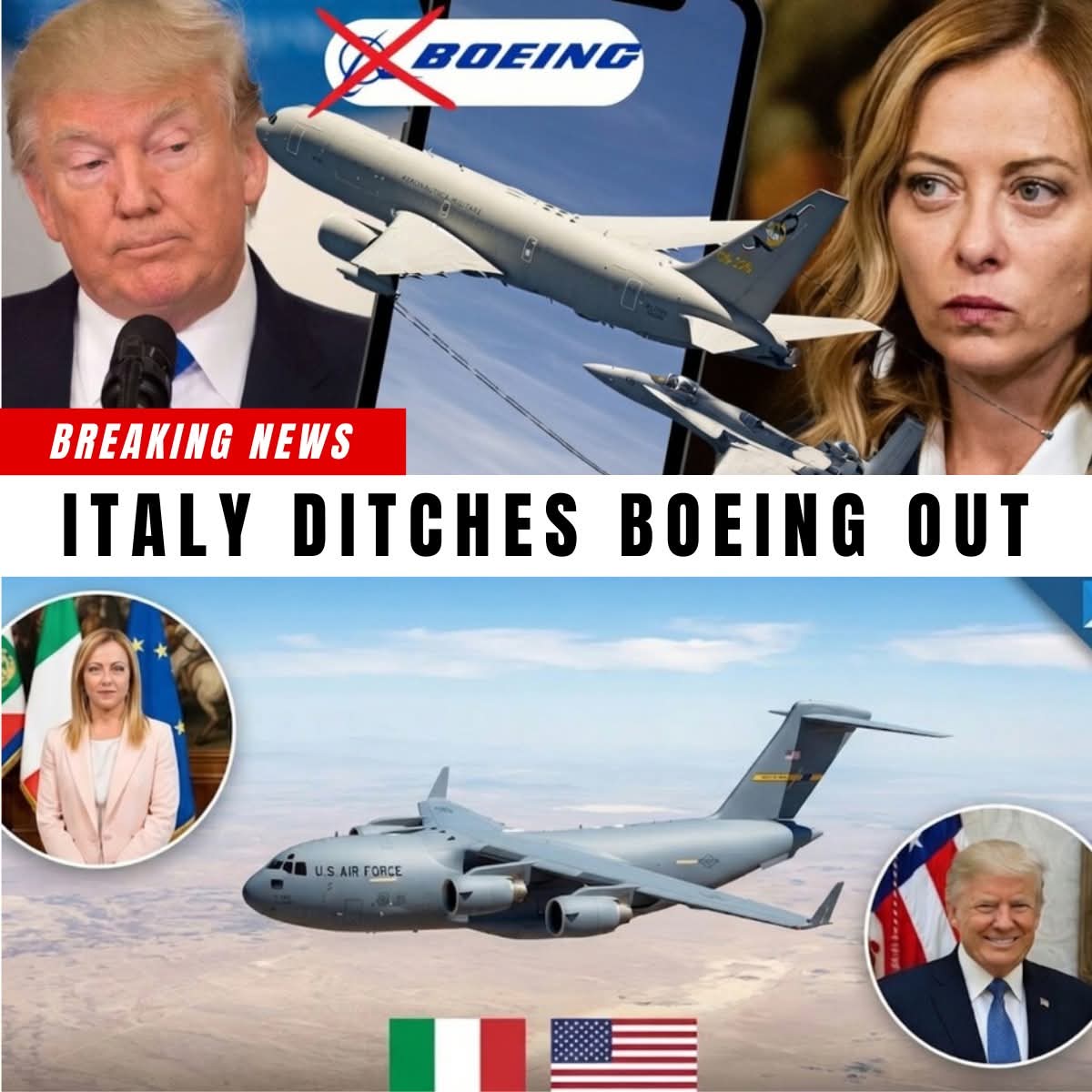
- Boeing Suffers Major Blow as Italy Turns to Airbus in European Tanker Shake-Up
Boeing is facing renewed pressure in the global defense market after Italy reportedly moved away from its long-standing partnership with the American aerospace giant in favor of Airbus tanker aircraft.
The decision marks a significant moment in Europe’s military aviation landscape and has fueled debate about Boeing’s future influence across the continent.
For years, Boeing’s KC-46 Pegasus tanker was expected to become a dominant force among NATO allies. Built as a next-generation aerial refueling aircraft for military operations, the KC-46 was promoted as a reliable solution for modern air forces.
However, the program has faced repeated criticism over technical issues, delivery delays, and operational concerns that have damaged confidence among several defense observers.
Reports surrounding costly incidents and maintenance problems added to the growing controversy, placing Boeing under increasing scrutiny. Critics argue that these setbacks weakened trust in the KC-46 program at a time when European nations were already seeking stronger regional defense cooperation.
Italy’s reported move toward acquiring six Airbus A330 MRTT aircraft is being viewed as a major strategic victory for Airbus and a symbolic shift in Europe’s defense priorities. The A330 MRTT has gained a strong reputation internationally for its refueling capabilities, cargo flexibility, and operational reliability. Several NATO countries already use the aircraft, helping Airbus strengthen its position as Europe’s preferred tanker supplier.
Defense analysts say the decision reflects a broader trend in which European nations are increasingly investing in defense systems developed within Europe rather than relying heavily on American manufacturers. The move could also encourage deeper military cooperation between EU members as they seek more independent defense capabilities.
For Boeing, the loss is not just about one contract. It raises larger questions about whether the company can maintain its influence in Europe’s competitive defense market while continuing to deal with challenges surrounding the KC-46 program.
Despite the criticism, Boeing remains one of the world’s most powerful aerospace companies, with deep ties to NATO allies and decades of experience in military aviation.
Supporters believe the company still has time to improve the KC-46 and restore confidence among international partners.
Still, the momentum currently appears to favor Airbus, especially as European governments prioritize reliability, regional cooperation, and long-term defense stability.
The battle between Boeing and Airbus is no longer limited to commercial aviation. It has now become a high-stakes competition for military dominance — and Europe may have just revealed which direction it plans to take next.

Trump’s World Cup Backfire? As 4 Million Visitors Disappear and Canadian Travel Slumps, Questions Grow Over Whether Politics, Border Policies, and Reputation Could Undermine America’s 2026 Tournament Boom

Harry and Meghan’s Exit Story Faces Fresh Scrutiny as Claims of Last-Minute Palace Appeals Emerge, Raising Questions About Whether Their Royal Departure Was Truly Entirely Their Own Choice

South Park Rumors Ignite Online Frenzy as Fans Speculate Over Possible New Meghan Markle and Prince Harry Satire, Sparking Debate About Comedy, Celebrity Scrutiny, and the Sussexes’ Public Image

Prince Harry Reportedly Blames Prince William for Wedding Snub as Royal Rift Deepens, Sparking Debate Over Family Loyalty, Influence, and Whether Exclusion Was Protection or a Deliberate Power Move

Canada Eyes 140 Fighter Jets in Historic Defence Expansion That Could Transform the Nation’s Aerospace Industry and Create Thousands of High-Skilled Jobs

Diana’s Legacy at the Center of Reported Rift as Earl Spencer Blocks Harry’s Access to Private Archives, Raising Questions About Who Has the Right to Tell Her Story

Meghan Markle’s Reported Push for a Royal Title for Doria Ragland Sparks Questions Over Tradition, Influence, Timing, and Whether Family Recognition Has Become a High-Stakes Royal Negotiation

🚨☢️ Europe’s Quiet Nuclear Revolution Gains Momentum as France Expands Its Strategic Shield, Raising Questions About NATO’s Future, America’s Influence, and the Continent’s Pursuit of Greater Security Independence 🇪🇺

King Charles’ health battle has renewed hopes for reconciliation with Prince Harry. Reports suggest behind-the-scenes obstacles remain, but many believe time is running short for father and son to heal their relationship.

Europe Rushes to Secure Canadian Aluminum as Global Supply Chains Shift, Raising Questions About Whether U.S. Tariffs Are Strengthening Domestic Industry or Accelerating Canada’s Growing Strategic Trade Advantage Abroad.

🚨 Political Firestorm Erupts as Lawmakers Demand Trump Step Down or Face Impeachment Pressure, Igniting National Debate Over Accountability, Constitutional Authority, Future Elections, and the Direction of American Democracy 🇺🇸⚡
