
NEWS
Breaking: Donald Trump declares war with Iran is over.

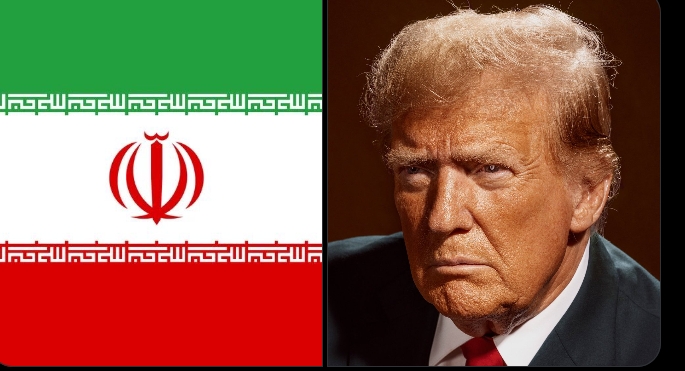
President Donald Trump declared on November 9, 2026, that the military phase of the United States’ conflict with Iran is “effectively over,” signaling a shift toward maintaining the current posture of a naval blockade while pursuing a longer-term diplomatic resolution. Speaking at a surprise White House press briefing after meeting with Qatari Prime Minister Sheikh Mohammed bin Abdulrahman Al Thani, Trump stated, “Iran militarily is effectively over. We’re just keeping it the status quo.
We’re doing that really at the behest of countries that are their neighbours.” He added that renewed large-scale strikes “doesn’t seem to be a very necessary thing” at this stage, though U.S. forces remain “locked and loaded” should conditions change.
The conflict began on February 28, 2026, when U.S. and Israeli forces launched Operation Epic Fury, conducting extensive airstrikes against Iranian military infrastructure, air defenses, and leadership targets. The opening strikes resulted in the death of Supreme Leader Ayatollah Ali Khamenei and other senior officials. Iran responded with missile and drone attacks across the region and declared the Strait of Hormuz closed to certain shipping, contributing to sharp rises in global oil prices. The war has now stretched approximately eight months, with estimates of U.S. costs exceeding $47 billion and at least 23 American service members killed as of late October. Multiple ceasefire attempts and interim agreements, including one in June, collapsed amid renewed fighting.
Trump’s comments came days after Republicans lost control of both chambers of Congress in the midterm elections, amid public dissatisfaction over elevated fuel prices and the prolonged engagement. He emphasized that Gulf partners—including Qatar, Saudi Arabia, the UAE, Bahrain, and Kuwait—prefer continuation of the naval blockade, which he has described as the largest in history, along with the recently established Task Force Iron Gate targeting land and Caspian Sea routes. The administration maintains that Iran’s navy and air forces have been largely destroyed and that the country faces severe economic strain, while reiterating that Iran will not be permitted to acquire a nuclear weapon.
Iranian officials rejected the characterization. Supreme National Security Council Secretary Mohsen Rezaei accused Washington of “manufacturing fake news about imaginary talks,” and other Tehran figures have dismissed U.S. claims of progress toward a negotiated end. No formal peace agreement has been reached, and the United States has not announced a withdrawal of forces or an end to the blockade. Trump has described “positive momentum” and suggested the conflict could conclude “fairly soon,” while noting the priority remains securing a durable arrangement that protects regional allies and prevents Iranian nuclear reconstitution.
The announcement leaves the situation in a holding pattern: active major combat operations appear unlikely in the near term, yet the underlying economic and military pressure on Iran continues, with diplomacy mediated in part through Qatar and other regional actors. Outcomes will depend on whether ongoing talks produce enforceable limits on Iran’s nuclear and military programs or whether either side determines that the current equilibrium no longer serves its interests.

Taylor Swift has urged her husband, Travis Kelce, to stop playing American football following his recent injuries during a match against Kansas City. She expressed her concern over his suffering and stated that she can no longer bear it. Additionally, she mentioned that she is pregnant and does not want a man with disabilities to father their child.

Travis Kelce made one significant catch in the first quarter before briefly leaving the game with an ankle injury.

🚨💔 JUST IN: Taylor Swift and Mama Kelce LEFT IN TEARS as Travis Kelce Suffers a Terrifying Ankle Injury During Chiefs vs. Falcons! Their Emotional Reactions Have Fans HEARTBROKEN — What Happened Next Has Everyone Holding Their Breath! 😱

Prince William and Prince George Join Taylor Swift at Mercedes-Benz Stadium in Atlanta to Cheer on Travis Kelce as the Chiefs Face the Falcons, and Their Unexpected VIP Suite Moment Has Everyone Talking!

Family Support on Display as Donna Kelce and Andrea Swift Pose Together With Chiefs Families at Mercedes-Benz Stadium

Donna Kelce and Taylor Swift’s Mom Andrea Swift Touch Down in Atlanta as Taylor Swift’s Mom Joins Travis Kelce’s Biggest Supporter Ahead of Chiefs’ Highly Anticipated Showdown Against the Falcons at Mercedes-Benz Stadium

Taylor Swift and Travis Kelce were not together last night. She was out alone while he was somewhere else. The relationship is starting to look fake. What do you think is going on? 💔

Fans Notice What Appears to Be a Baby Bump on Taylor Swift During a Low-Key Gym Outing With Travis Kelce — and One Sentimental Detail on His Hand Has Everyone Talking

🚨BREAKING: This video of President Trump is going viral due to amount of weight he appears to have lost and his youthful appearance. 78 is the new 28. AGING IN REVERSE!

“Viral Video of Two Guys Sharing a Sweet Neck Nuzzle at a Concert Is Melting Timelines”

‘Some people have strong feelings’: Why Harry and Meghan’s return has not led to the thawing they were hoping for… as insiders reveal how they’re being ignored and why they’ve not been invited to Charles’ birthday or Christmas
