
NEWS
The Price of Return: Prince Harry Challenges High Court Privacy Loss as He and Meghan Settle in the UK With Archie and Lilibet

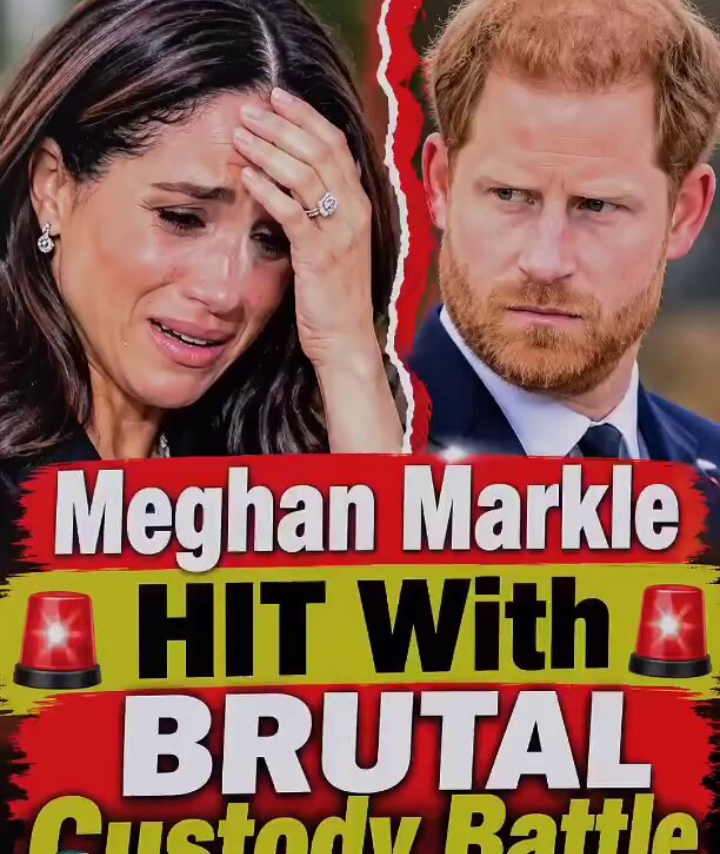
Prince Harry and Meghan, the Duke and Duchess of Sussex, have returned to full-time residence in the United Kingdom with their two children, only to find the move intersecting with the latest stage of a long-running legal confrontation with a major British newspaper publisher.In August 2026, the couple relocated from California to Britain with Prince Archie, then seven, and Princess Lilibet, then five.
The move marked their first sustained period living in the country since they stepped back from senior royal duties in 2020. Officials subsequently indicated that the Royal and VIP Executive Committee (Ravec), which oversees publicly funded security arrangements, would conduct a fresh risk assessment for the family in light of their status as full-time residents rather than occasional visitors.
Ll Meghan’s assessment was expected to be her first formal review since the couple’s departure from working royal life.Against this backdrop of resettlement, Harry has moved to challenge a significant courtroom setback. In July 2026, Mr Justice Nicklin of the High Court dismissed a privacy claim brought by Harry and five other high-profile claimants—including Sir Elton John, David Furnish, Elizabeth Hurley, Sadie Frost and Baroness Doreen Lawrence—against Associated Newspapers Limited, publisher of the Daily Mail and Mail on Sunday.
The claimants had alleged that journalists and investigators employed unlawful methods, including phone hacking, bugging and other forms of information gathering, to obtain stories published between the late 1990s and 2011. After an 11-week trial in which Harry gave evidence in person, the judge concluded that the claimants had failed to prove their allegations.In August, the court ordered the claimants to make an initial payment of £9.5 million toward the publisher’s costs, with the total bill potentially rising substantially higher—reports have placed the overall figure in the region of £34–50 million.
Associated Newspapers had denied the claims throughout and described the High Court outcome as a clear vindication of its journalism.On 6 November 2026, a spokesperson for the claimants confirmed that applications had been filed with the Court of Appeal seeking permission to challenge both the dismissal of the claims and the indemnity costs order. The group stated that they considered the judgments “legally and factually flawed.” A decision on whether permission to appeal will be granted is expected to rest with a single Court of Appeal judge reviewing written submissions.The timing places the appeal squarely amid the Sussexes’ efforts to establish a settled life in Britain.
Security has remained a persistent point of friction for Harry since 2020, when Ravec altered the level of protection available to him following his departure from frontline royal duties. Earlier legal challenges to that decision were unsuccessful. With the family now living in the UK, any new risk assessment will consider their permanent presence, including the children, rather than short visits.Harry has previously linked security arrangements to the practical possibility of family life in Britain. The current appeal, however, concerns a separate privacy action rather than the Ravec process itself. Legal observers note that the financial exposure from the costs order, combined with the time and attention required by further litigation, adds a layer of pressure to the couple’s reintegration. At the same time, the return has prompted limited public commentary from the wider royal household, which has continued to treat the Sussexes as non-working members of the family with private commercial and charitable interests.
How the Court of Appeal responds to the application, and how Ravec ultimately assesses the family’s security needs, will shape the practical terms of the Sussexes’ life in Britain in the months ahead. For now, the legal challenge and the security review proceed in parallel with the family’s adjustment to their new permanent base.

Taylor Swift has urged her husband, Travis Kelce, to stop playing American football following his recent injuries during a match against Kansas City. She expressed her concern over his suffering and stated that she can no longer bear it. Additionally, she mentioned that she is pregnant and does not want a man with disabilities to father their child.

Travis Kelce made one significant catch in the first quarter before briefly leaving the game with an ankle injury.

🚨💔 JUST IN: Taylor Swift and Mama Kelce LEFT IN TEARS as Travis Kelce Suffers a Terrifying Ankle Injury During Chiefs vs. Falcons! Their Emotional Reactions Have Fans HEARTBROKEN — What Happened Next Has Everyone Holding Their Breath! 😱

Prince William and Prince George Join Taylor Swift at Mercedes-Benz Stadium in Atlanta to Cheer on Travis Kelce as the Chiefs Face the Falcons, and Their Unexpected VIP Suite Moment Has Everyone Talking!

Family Support on Display as Donna Kelce and Andrea Swift Pose Together With Chiefs Families at Mercedes-Benz Stadium

Donna Kelce and Taylor Swift’s Mom Andrea Swift Touch Down in Atlanta as Taylor Swift’s Mom Joins Travis Kelce’s Biggest Supporter Ahead of Chiefs’ Highly Anticipated Showdown Against the Falcons at Mercedes-Benz Stadium

Taylor Swift and Travis Kelce were not together last night. She was out alone while he was somewhere else. The relationship is starting to look fake. What do you think is going on? 💔

Fans Notice What Appears to Be a Baby Bump on Taylor Swift During a Low-Key Gym Outing With Travis Kelce — and One Sentimental Detail on His Hand Has Everyone Talking

🚨BREAKING: This video of President Trump is going viral due to amount of weight he appears to have lost and his youthful appearance. 78 is the new 28. AGING IN REVERSE!

“Viral Video of Two Guys Sharing a Sweet Neck Nuzzle at a Concert Is Melting Timelines”

‘Some people have strong feelings’: Why Harry and Meghan’s return has not led to the thawing they were hoping for… as insiders reveal how they’re being ignored and why they’ve not been invited to Charles’ birthday or Christmas
